About This Hike
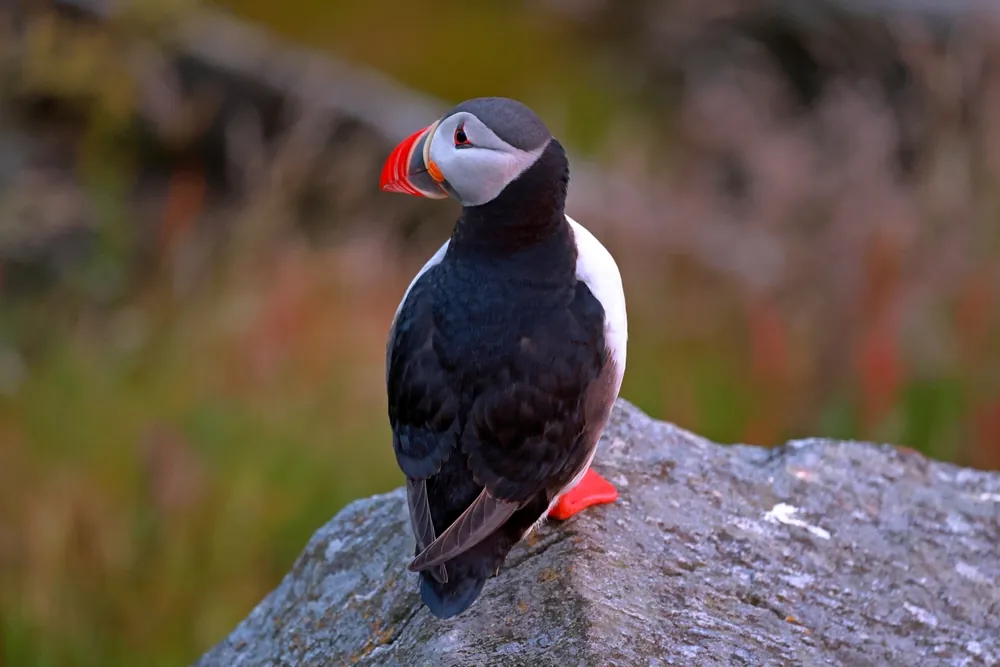
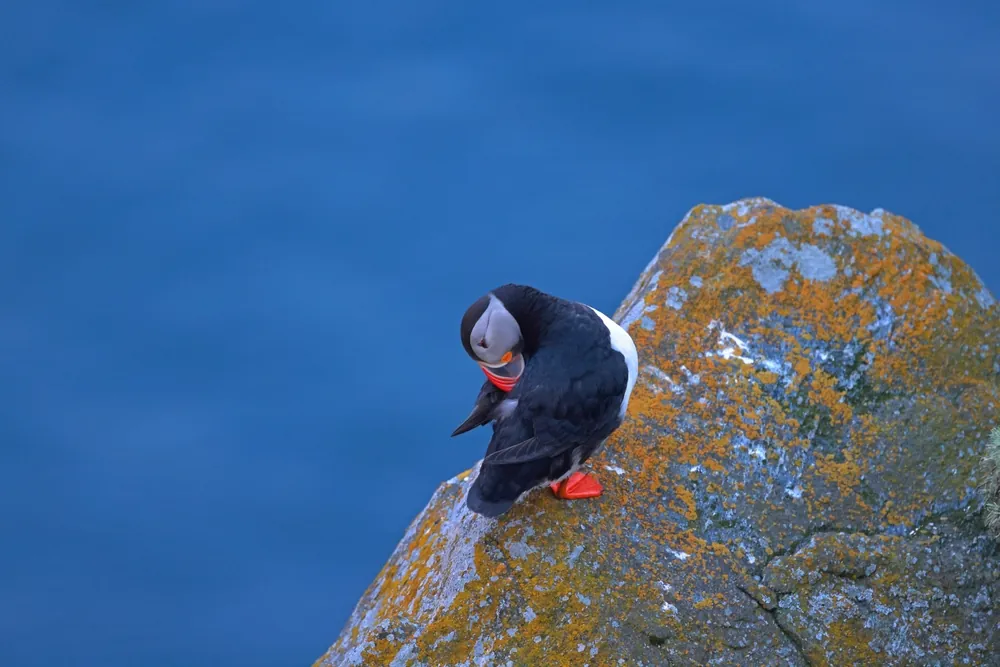
Runde is Norway's southernmost seabird cliff island and a protected coastal landscape in Herøy. This guide covers the marked bird-cliff walk from Goksøyra, not the longer circuits to Runde lighthouse. After Goksøyr Camping, take the first road left and continue to the designated trail. The outing is about 4.5 kilometres return with roughly 200–300 metres of ascent. Its opening climb is short and steep; higher up, the route eases across exposed, partly boggy moorland toward the cliff viewpoints. Allow two to three hours, and considerably longer if birdwatching is the purpose. Puffins, gannets, kittiwakes and guillemots are among the species associated with Runde, but sightings and colony activity vary by date, weather and time of day. Local guided trips commonly visit in the evening, when puffins return from feeding at sea. Bring binoculars rather than moving closer to birds. Use the constructed stone paths and boardwalks, obey sanctuary signs and never cross barriers or make shortcuts through nesting ground. The cliff edges are high and unfenced, while wet grass, mud, wind and sudden sea fog can make the apparently easy route much more serious. Dogs must remain on a lead, and children need close supervision well before the edge.
Highlights
- ✓ Norway's southernmost seabird cliffs
- ✓ Seasonal opportunities to observe puffins, gannets and other seabirds
- ✓ A marked 4.5 km route from Goksøyra
- ✓ Open-ocean views from a protected coastal plateau
Getting There
Goksøyra parking area; after Goksøyr Camping take the first road left to the designated bird-cliff trail
Before You Go
The 4.5 km and 200–300 m figures describe the bird-cliff walk from Goksøyra, not the longer island circuits. Stay on the designated stone paths and boardwalks: seasonal protection rules can apply in the bird sanctuaries, so check local guidance before visiting.
Information checked: September 2026, against Opplev Runde visitor guidance and Visit Norway's guided-route facts
⚠️ Safety Notes
- The cliff edges are unfenced with sheer drops to the sea, and wet grass near the top is slippery, so keep well back from the edge.
- A short, steep and often muddy section near the start calls for sturdy footwear with good grip and ankle support.
- The exposed headland offers little shelter and weather can change quickly, so bring windproof and waterproof clothing.
- Stay on the marked stone paths and boardwalks: sanctuary boundaries and nesting areas must not be crossed, and dogs must be kept on a leash.
- Bring binoculars rather than approaching birds for photos.