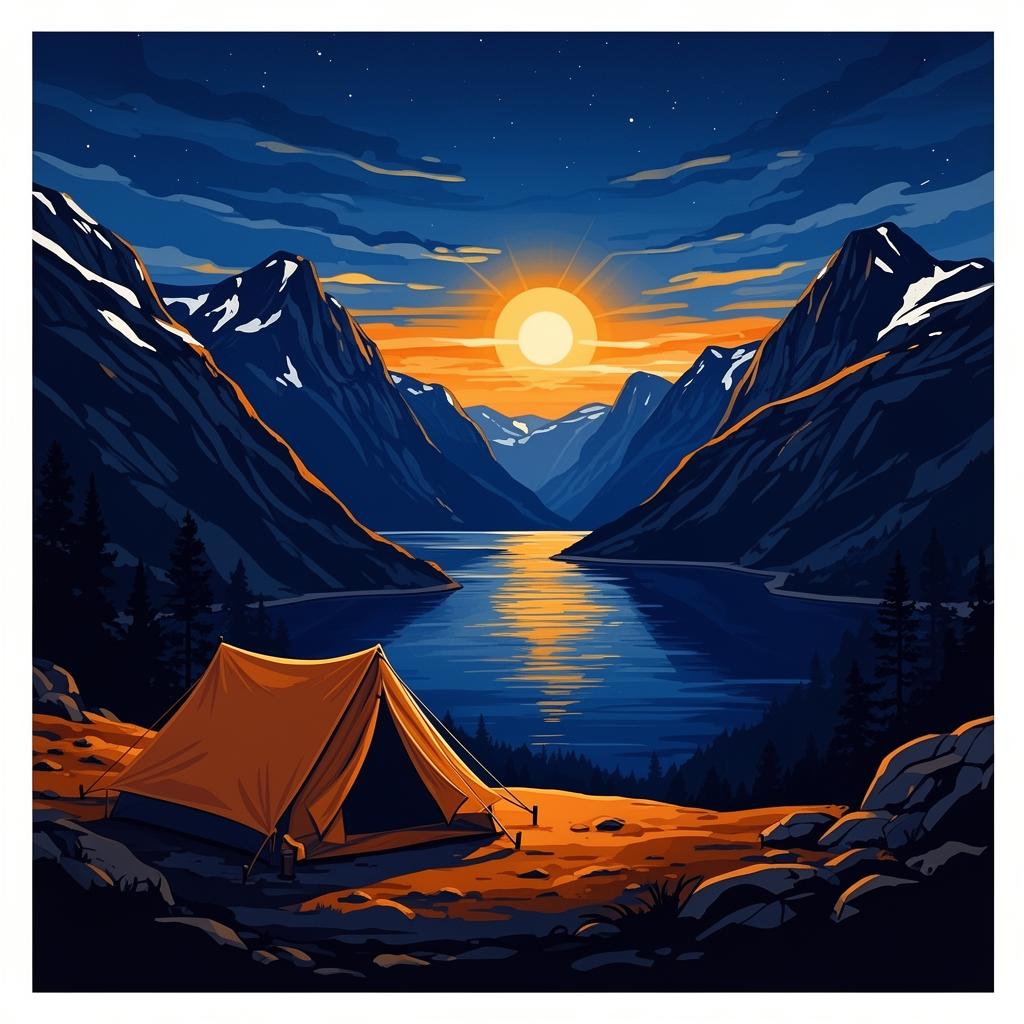
Camping in Norway is famously free and flexible, but many visitors misunderstand what is actually allowed. While Norway offers one of the most generous outdoor access laws in the world, there are still clear rules you must follow when camping with a tent.
At the centre of Norwegian camping culture is Allemannsretten, often translated as the right to roam. This law allows everyone to access and stay in uncultivated land, as long as they show respect for nature, wildlife, and private property.
Where You Can Camp with a Tent
You are allowed to pitch a tent on uncultivated land, which includes:
- Mountains
- Forests
- Coastlines
- Marshes
- Open natural areas not used for farming
You are not allowed to camp on:
- Fields
- Farmland
- Gardens
- Cultivated land
- Private yards
If the land looks managed or used for agriculture, camping is not allowed.
The 150-Metre Rule
When camping with a tent, you must stay at least 150 metres away from the nearest inhabited house or cabin. This rule applies even if there are no fences or signs. If you're unsure, move further away.
This rule protects privacy and avoids conflict with locals.
How Long Can You Stay?
In most places, you may camp:
- Up to two nights in the same spot
- Longer in remote mountain areas
If you want to stay longer, you should either:
- Move your camp
- Ask the landowner for permission
Large groups or organised camps may require special permission.
Campfires and Cooking
Between April 15 and September 15, open fires are generally prohibited due to wildfire risk. This includes campfires and disposable grills.
You may still use:
- Gas stoves
- Portable camping stoves
Always check local fire regulations, especially during dry periods.
Leave No Trace
Camping freedom depends on responsible behaviour. You must:
- Take all trash with you
- Avoid damaging vegetation
- Camp on durable surfaces when possible
- Leave the area as you found it
Wild camping in Norway works because most people follow these rules.