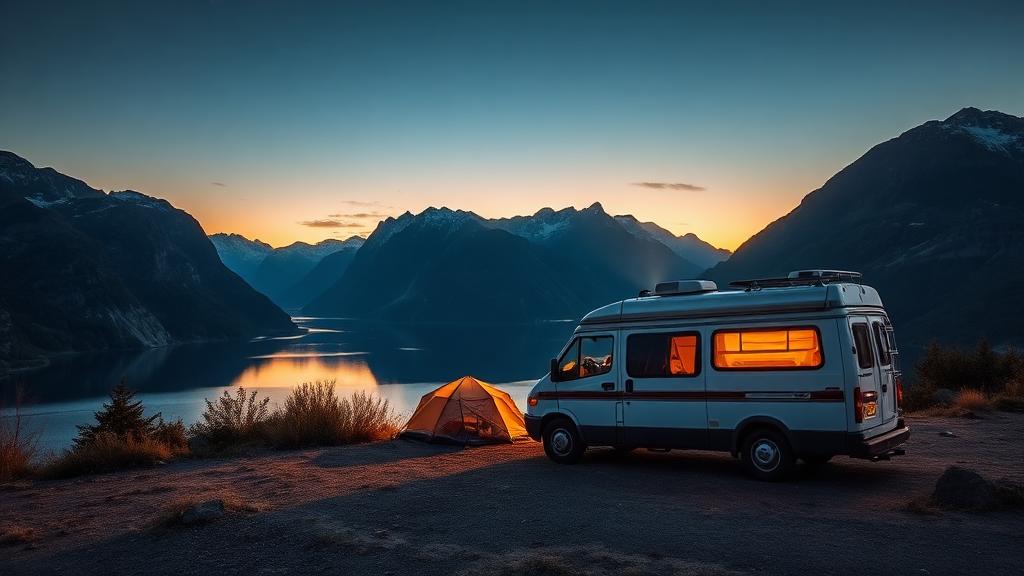
Norway is one of the best countries in the world for camping. With vast wilderness, dramatic landscapes, and a unique law that gives everyone access to nature, it's a dream destination for tent camping, van life, and multi-day hiking trips.
But freedom does not mean no rules.
If you're planning to camp in Norway — whether in a tent, campervan, or car — understanding the legal rules, local etiquette, and practical limitations is essential. This guide explains exactly what you can and cannot do, so you can camp legally, safely, and respectfully.
1. Why Camping in Norway Is So Special
Norway's camping culture is built on trust, responsibility, and respect for nature.
Unlike many countries where camping is restricted to paid campsites, Norway allows people to camp freely in nature, access mountains, forests, and coastlines, and travel long distances without booking accommodation.
This system works because most people follow the rules.
2. Allemannsretten: The Right to Roam Explained
At the heart of Norwegian outdoor culture is Allemannsretten, often translated as The Right to Roam.
What Allemannsretten Allows
You are allowed to:
- Walk freely in uncultivated land
- Camp in nature
- Pick berries, mushrooms, and wild plants (with some restrictions)
- Access coastlines, forests, and mountains
Uncultivated land includes mountains, forests, marshes, coastlines, and open land not used for farming.
What Allemannsretten Does NOT Allow
You may NOT:
- Camp on cultivated land (fields, gardens, farmland)
- Damage nature or vegetation
- Disturb wildlife
- Leave trash
- Light fires during fire-ban periods
- Camp too close to houses
Freedom comes with responsibility.
3. Rules for Tenting in Norway (Wild Camping)
The 150-Metre Rule
When camping with a tent, you must stay at least 150 metres from the nearest inhabited house or cabin.
This applies even if the land looks empty, there is no fence, or there is no "No camping" sign. If in doubt, move further away.
How Long Can You Stay?
You may camp up to 2 nights in the same spot and stay longer in remote mountain areas. If you want to stay longer, ask the landowner or move camp every 1–2 days.
Group Size Matters
Small tents and small groups are generally fine. Large groups may require permission, can cause wear to vegetation, and should avoid sensitive areas.
4. Camping Near Trails, Lakes, and Popular Hikes
Near Popular Hikes
Camping near famous hikes like Trolltunga, Preikestolen, Besseggen, and Lofoten beaches is often restricted or regulated due to overcrowding, environmental damage, and safety concerns.
Always check local municipality websites, trailhead signs, and national park regulations.
Camping Near Lakes and Rivers
You may camp near water, but keep distance from drinking water sources, avoid fragile shorelines, and do not wash dishes directly in lakes or rivers. Use biodegradable soap and wash at a distance.
5. Fire and Campfire Rules in Norway
General Fire Ban
From April 15 to September 15, open fires are generally prohibited in forests and near vegetation. This includes campfires, disposable grills, and fire pits.
Exceptions exist only when there is clearly no fire risk and local authorities allow it. Always check local fire regulations.
Cooking While Camping
Allowed: Gas stoves, portable camping stoves, cooking on bare rock if permitted.
Never: Light fires during droughts, leave fire unattended, or burn trash.
Fines for illegal fires can be severe.
6. Parking Rules for Camping and Sleeping in Cars
Sleeping in Your Car in Norway
Sleeping in your car is generally legal, but parking rules still apply. You must park legally, follow time restrictions, and respect "No overnight parking" signs. Sleeping does not override parking laws.
Parking in Public Areas
You can park overnight if parking is legal, there are no signs prohibiting overnight stays, and you do not obstruct traffic.
You cannot set up chairs, tables, or awnings, extend beyond the parking space, or turn parking areas into campsites — that would be considered camping, not parking.
Campervans and Motorhomes
Campervans are subject to local regulations, municipal parking rules, and size and weight limits. Many municipalities restrict overnight stays in city centres, tourist hotspots, and beach parking areas.
Always read signs carefully.
7. "No Camping" and "No Overnight Parking" Signs
Signs in Norway are taken seriously. If a sign says "Camping forbudt" (Camping prohibited) or "Ingen overnatting" (No overnight stay), you must comply.
These signs are often placed to protect nature, reduce congestion, and respect local residents. Ignoring them can lead to fines.
8. National Parks and Protected Areas
Camping rules can differ inside national parks, nature reserves, and protected landscapes. In many parks, camping is allowed only in designated areas, fires are strictly prohibited, and group size may be limited.
Always check park-specific rules before camping.
9. Waste, Toilets, and Hygiene
Leave No Trace Is Essential
You must pack out all trash and leave the area cleaner than you found it. Do not bury trash, burn trash, or leave food scraps.
Toilet Rules in Nature
If there is no toilet, go at least 50–70 metres from water, dig a small hole, cover it properly, and pack out toilet paper. In popular areas, improper toilet use is a growing problem.
10. Respect for Wildlife and Livestock
Sheep, Reindeer, and Cows
Animals roam freely in many areas. You must keep distance, not feed animals, and keep dogs on a leash (mandatory in many seasons). Disturbing livestock is illegal.
Birdlife and Nesting Areas
Coastal areas and cliffs may have nesting birds. During nesting season, some areas are closed and camping may be prohibited. Always respect closures.
11. Camping with a Tent vs Staying at Campsites
Wild Camping Pros
- Free
- Quiet
- Scenic
- Flexible
Campsite Pros
- Toilets and showers
- Electricity
- Legal certainty
- Waste disposal
Many people combine both during longer trips.
12. Seasonal Considerations for Camping in Norway
Summer Camping
Long daylight hours, best weather, more crowds, and higher restrictions in tourist areas.
Autumn Camping
Fewer people, cooler nights, more freedom, but weather changes faster.
Winter Camping
Requires experience, cold temperatures, short daylight, and specialized equipment. Winter camping is not recommended for beginners.
13. Common Camping Mistakes in Norway
- Camping too close to houses
- Ignoring fire bans
- Leaving trash
- Blocking roads with parked vehicles
- Treating parking areas as campsites
- Staying too long in one place
These behaviours threaten the freedom everyone enjoys.
14. Good Camping Etiquette (Unwritten Rules)
- Be invisible
- Be quiet
- Be respectful
- Leave early in the morning
- Avoid popular spots if possible
The best campers are the ones no one notices.
15. Practical Tips for Responsible Camping
- Arrive late, leave early
- Use natural surfaces (rock, gravel)
- Avoid sensitive vegetation
- Move camp regularly
- Talk to locals if unsure
- Follow local signs even if they seem unnecessary
16. Is Camping in Norway Free?
Yes — if done legally.
Costs may include parking fees, campsites (optional), transport, and food and fuel. But sleeping outdoors itself is free.
Sleeping in Your Car or Campervan in Norway
Parking Rules, Overnight Laws, and What's Actually Allowed
Norway is one of Europe's top destinations for campervans and road trips. With dramatic fjords, quiet mountain roads, and endless scenic pull-outs, it's no surprise that many travelers choose to sleep in their car or campervan instead of booking accommodation.
But Norway has strict parking rules, and sleeping in a vehicle is not the same as camping.
This guide explains exactly what is allowed, what is forbidden, and how to legally sleep in your car, van, or motorhome in Norway — without fines, stress, or angry locals.
1. Is It Legal to Sleep in Your Car in Norway?
Yes — sleeping in your car is generally legal. But only if parking itself is legal.
This is the most important rule to understand:
Sleeping does NOT give you extra parking rights.
If the parking spot is legal, you may sleep in your vehicle.
If parking is illegal, sleeping there is also illegal.
2. Parking vs Camping: The Key Difference
Norwegian law makes a clear distinction between parking and camping.
Parking (Usually Allowed)
- Parking your car or campervan
- Sleeping inside the vehicle
- No external setup
- No disturbance to surroundings
Camping (Often Restricted)
- Chairs, tables, awnings
- Cooking outside the vehicle
- Staying in the same spot for long periods
- Occupying space beyond the parking area
Once you "expand" outside the vehicle, authorities consider it camping — and different rules apply.
3. Where You Can Park and Sleep Overnight
Public Roads and Lay-bys
You may park overnight if parking is allowed, there is no time limit you exceed, and there are no "No overnight parking" signs. Many scenic roads allow overnight parking, especially in rural areas.
Gravel Pull-outs and Mountain Roads
Often allowed, but you must not block traffic, must not damage the surface, and must respect signage. These are popular with campervans, especially in the mountains.
Public Parking Areas
Allowed if parking rules permit overnight stays, time limits are respected, and payment is made if required. Some municipalities allow overnight parking but forbid camping behaviour.
4. Places Where Overnight Parking Is Often Prohibited
City Centres
Most cities restrict overnight stays in central parking areas, tourist hotspots, and residential zones. This is especially true in Bergen, Stavanger, Tromsø, and Oslo.
Always read signs carefully.
Beaches and Coastal Areas
Many popular beaches prohibit overnight parking, campervans, and motorhomes at night. These restrictions are often seasonal and enforced.
Near Popular Attractions
Parking restrictions are common near Preikestolen, Trolltunga, Lofoten beaches, and scenic viewpoints.
Municipalities use signs like "No overnight parking", "Camping prohibited", and "Motorhomes not allowed at night". Ignoring these often leads to fines.
5. Understanding Norwegian Parking Signs
Some important signs to know:
- "Parkering forbudt" — Parking prohibited. You may not stop or park.
- "Stans forbudt" — Stopping prohibited. Even stopping briefly is illegal.
- "Ingen overnatting" — No overnight stay. Sleeping in the vehicle is not allowed.
- "Camping forbudt" — Camping prohibited. Parking may still be allowed, but no overnight stay or setup.
- Time Limit Signs — Example: "Parkering maks 4 timer" means sleeping overnight would exceed the allowed time.
6. Campervans and Motorhomes: Special Considerations
Campervans are treated as vehicles — not accommodation — under parking law.
However, larger vehicles face more restrictions, height and weight limits apply, and some roads and parking areas exclude motorhomes.
Always check vehicle length limits, road weight restrictions, and ferry rules for motorhomes.
7. Sleeping in Your Car vs Campervan
Sleeping in a Car
Generally more discreet: less attention, fewer restrictions, and easier to park in normal spaces.
Sleeping in a Campervan
More visible: more likely to be restricted, more signage targeting campervans, and higher chance of enforcement in tourist areas.
Discretion matters.
8. How Long Can You Stay Parked?
Unless stated otherwise, parking is usually allowed overnight only and long-term parking is restricted.
Staying multiple nights in the same spot may attract complaints, be considered camping, and lead to fines.
A good rule: Arrive late, leave early, move often.
9. Parking Apps and Tools That Help
- Google Maps (street view + reviews)
- Park4Night (use carefully, not always accurate)
- Local municipality websites
- Road signs on site (most reliable)
Never rely on apps alone.
10. Fines and Enforcement
Fines vary by municipality but can include parking fines, towing, and orders to leave immediately.
Tourist areas enforce rules more strictly, especially in summer.
"I didn't know" is not accepted as an excuse.
11. Sleeping in Parking Areas vs Campsites
Parking Overnight
Pros: Free or cheap, flexible, quiet in rural areas.
Cons: Uncertain legality, limited facilities, risk of fines.
Campsites
Pros: Toilets and showers, legal certainty, waste disposal, electricity.
Cons: Costs money, less flexibility.
Many travelers mix both options.
12. Waste, Toilets, and Hygiene (Important)
Parking overnight does NOT mean dumping waste, using nature as a toilet, or emptying grey water. These actions cause most conflicts.
Use public toilets, campsites, and service stations. Improper waste disposal leads to stricter regulations.
13. Common Mistakes Campervan Travelers Make
- Parking in "No overnight" zones
- Staying multiple nights in one spot
- Blocking roads or viewpoints
- Setting up chairs and tables
- Ignoring local signs
- Trusting outdated app information
These behaviours are why restrictions exist.
14. Best Practices for Legal Overnight Parking
- Read signs carefully
- Choose less popular areas
- Avoid tourist hotspots at night
- Stay discreet
- Leave early
- Do not expand outside the vehicle
- Respect locals and nature
If it feels questionable, move.
15. Winter Parking Considerations
In winter, snow ploughs need access, overnight parking may block operations, and roads may close suddenly.
Never park where snow removal is expected.
16. Is Sleeping in Your Car Free in Norway?
Often yes — but not always.
Costs may include parking fees, toll roads, ferries, and campsites (optional). Sleeping itself is not charged — parking is.
17. Final Verdict: Can You Sleep in Your Campervan in Norway?
Yes — if you follow parking rules.
No — if you treat parking areas like campsites.
Norway offers incredible freedom, but that freedom depends on respect.
The best campervan travelers are quiet, discreet, informed, and responsible.
Follow the rules, and Norway remains one of the best road-trip countries in the world.
Best Hikes with Campervan Access
Planning a campervan trip through Norway? Here are some of the best hikes with good parking access for motorhomes:
Preikestolen (Pulpit Rock)
Large paid parking at trailhead. One of Norway's most iconic views. Early arrival recommended.
Trolltunga
Parking available at multiple starting points. Very long hike — consider staying nearby.
Reinebringen
Limited parking near Reine. Iconic Lofoten viewpoint with steep stone steps.
Ryten (Kvalvika Beach)
Parking at Fredvang. Stunning views over the famous beach. Great for Lofoten road trips.
Segla
Parking at Fjordgård on Senja. Dramatic peak with fjord views. Can combine with Hesten.
Hesten
Same parking as Segla. Easier alternative with views of the famous Segla peak.
Kjeragbolten
Large parking at Øygardstøl. Long demanding hike to the famous boulder.
Bondhusdalen
Easy family-friendly valley walk with glacier views. Good parking available.
Fløyen (Bergen)
Central Bergen access — consider parking outside city and using public transport.
Vettisfossen
Norway's highest protected waterfall. Parking in Øvre Årdal with valley walk to falls.
Related Guides
- Tent Rules for Hikers in Norway
- Free vs Paid Campsites in Norway
- Norway Hikes with Campervan Access
- Explore All Hiking Regions
Final Thoughts
Norway offers one of the greatest camping freedoms in the world. But this freedom depends entirely on responsible behaviour.
By understanding the rules, respecting nature, following local regulations, and leaving no trace, you help ensure that future visitors — and locals — can continue to enjoy the same freedom.
Camping in Norway is not about taking space. It's about borrowing it carefully.