Hiking in Norway is an unforgettable experience. From dramatic fjords and alpine ridges to quiet forest trails and coastal paths, Norway offers some of the most varied and spectacular hiking terrain in Europe. But Norwegian nature is also wild, unpredictable, and demanding.
This guide is designed to help you hike smarter, safer, and more confidently. Whether you're planning iconic hikes like Preikestolen or Trolltunga, or quieter regional trails, these tips will help you avoid common mistakes and enjoy the experience fully.
1. Understand Norway's Hiking Culture
1. Allemannsretten (The Right to Roam)
Norway has a unique law called Allemannsretten, which gives everyone the right to access nature freely.
You can:
- Walk almost anywhere
- Camp in the wilderness
- Pick berries and mushrooms (with some rules)
But you must:
- Respect nature
- Leave no trace
- Stay at least 150 meters from houses when camping
This freedom is a privilege — use it responsibly.
2. Trails Are Often Less "Built" Than You Expect
Many Norwegian trails are not heavily engineered:
- Few handrails
- Limited signage in remote areas
- Natural terrain with rocks, roots, and mud
This is normal — not a lack of maintenance.
2. Planning Your Hike in Norway
3. Always Check the Weather
Weather changes fast in Norway, especially in the mountains. Before hiking:
- Check yr.no (most accurate local forecasts)
- Look at hourly changes, not just daily summaries
- Pay attention to wind, rain, and temperature drops
If the forecast looks unstable, postpone or choose a safer hike.
4. Start Earlier Than You Think
Many hikers underestimate how long Norwegian hikes take. Reasons:
- Steep elevation gain
- Rocky terrain
- Weather slowdowns
- Photo stops (lots of them)
Starting early gives you more daylight, avoids crowds, and allows flexibility if conditions change.
5. Know the Real Distance
Some hikes look short on paper but feel long. Example: 6 km with 1,000 m elevation can be harder than 15 km flat. Always check:
- Distance
- Elevation gain
- Estimated time
- Terrain type
3. Choosing the Right Hike for Your Level
6. Don't Let Instagram Choose Your Hike
Iconic hikes are popular for a reason — but they're not always suitable for everyone. Ask yourself:
- Am I comfortable with heights?
- Can I handle steep descents?
- Do I have enough time and daylight?
There are hundreds of incredible alternatives that are quieter and safer.
7. Beginners Should Start With These Types of Trails
If you're new to hiking in Norway, look for:
- Forest or valley trails
- Hikes under 500 m elevation gain
- Clearly marked paths
- Proximity to towns
Examples include Fløyen, Bondhusdalen, Utladalen, and coastal hikes.
8. Ridge Hikes Are Serious Business
Ridge hikes like Besseggen, Romsdalseggen, and Segla require:
- Good balance
- Comfort with exposure
- Stable weather
They're rewarding — but not beginner-friendly.
4. Clothing and Gear Essentials
9. Layering Is Mandatory
Even in summer, temperatures can drop quickly. Your basic layering system:
- Base layer (wool or synthetic)
- Insulating layer (fleece or light down)
- Waterproof shell (jacket + pants)
Cotton is not recommended.
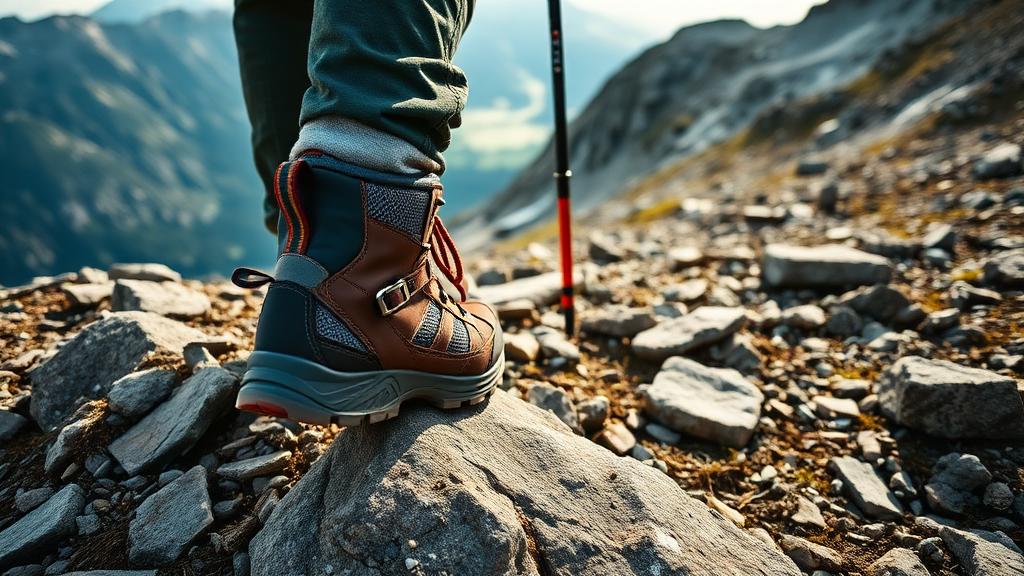
10. Footwear Matters More Than Anything
Good hiking boots or shoes are essential. Look for:
- Solid grip
- Waterproof or quick-drying
- Ankle support for rocky trails
Even "easy" hikes can become slippery after rain.
11. Always Carry Rain Protection
Norwegian weather doesn't care about forecasts. Always pack:
- Waterproof jacket
- Waterproof pants
Even if the sun is shining when you start.
12. Bring Enough Food and Water
Many trails have no shops, no huts, and no water sources near the top. Bring:
- More water than you think you need
- High-energy snacks
- Lunch for longer hikes
5. Navigation and Safety
13. Don't Rely Only on Mobile Signal
Signal can disappear quickly in valleys and mountains. Best practice:
- Download offline maps
- Carry a power bank
- Know the route before you start
14. Use Proper Hiking Apps
Good apps for Norway:
- UT.no
- AllTrails (with caution)
- Komoot
- Maps.me (offline)
Always cross-check information.
15. Let Someone Know Your Plan
Especially for longer or remote hikes: Tell someone where you're going and share expected return time. This is basic but critical safety practice.
16. Respect Turnaround Times
A common rule:
- Turn around if you're behind schedule
- Turn around if weather worsens
- Turn around if you're tired
The mountain will still be there tomorrow.
6. Weather and Seasonal Awareness
17. Snow Can Linger Well Into Summer
In many areas, snow remains above 800–1,000 m until July. North-facing slopes hold snow longer. Always check recent trail reports.
18. Fog Is More Dangerous Than Rain
Fog reduces visibility and orientation. If fog rolls in:
- Slow down
- Stick to the trail
- Consider turning back
Many accidents happen due to disorientation, not falls.
19. Wind Is a Major Factor
Strong wind can make exposed ridges unsafe and lower perceived temperature dramatically. Check wind forecasts carefully.
7. Hiking Etiquette in Norway
20. Yield Politely on Narrow Trails
On steep paths, uphill hikers usually have priority. Step aside safely when needed. A simple "hei" goes a long way.
21. Keep Noise Levels Low
Norwegians value quiet nature experiences. Avoid:
- Loud music
- Shouting
- Drones (often restricted)
22. Leave No Trace
This is taken seriously. Always:
- Pack out all trash
- Stay on trails where possible
- Avoid damaging vegetation
23. Respect Wildlife
You may encounter sheep, reindeer, birds, and musk ox (in Dovrefjell). Keep distance and never feed animals.
8. Camping and Multi-Day Hiking
24. Wild Camping Rules
You can camp freely if:
- You're 150 m from buildings
- You stay 1–2 nights in one place
- You clean up completely
Near popular hikes, restrictions may apply. Read our complete camping rules guide.
25. DNT Cabins Are a Great Option
Norwegian Trekking Association cabins offer shelter, basic facilities, and stunning locations. Some require membership and keys.
26. Fires Are Restricted
Between April 15 and September 15, open fires are generally prohibited. Exceptions apply with caution. Always check local regulations.
9. Popular Hiking Mistakes to Avoid
27. Underestimating the Descent
Downhill is often harder than uphill. Knees take impact and slippery rocks increase risk. Save energy for the way down.
28. Wearing Fashion Shoes
Trainers with smooth soles are risky. Traction saves ankles.
29. Skipping Breaks
Short, frequent breaks prevent fatigue, reduce injury risk, and improve focus.
30. Ignoring Gut Feeling
If something feels wrong — weather, energy, terrain — listen to it. Turning back is smart, not weak.
10. Best Times to Hike in Norway
31. Summer (June–September)
Best for high mountain hikes, long daylight, and stable conditions.
32. Autumn (September–October)
Great for fewer crowds, crisp air, and fall colours. But watch for early snow.
33. Winter (November–April)
Only for snowshoeing, ski touring, and experienced winter hikers. Requires specialized gear.
11. Transport and Logistics
34. Many Hikes Are Public Transport Friendly
Buses, ferries, and trains reach many trailheads. This makes one-way hikes possible.
35. Parking Can Be Limited
Popular hikes often have limited parking, paid parking, or shuttle systems. Arrive early.
12. Final Practical Tips
36. Use Trekking Poles on Steep Trails
They reduce knee strain and improve balance.
37. Sunglasses and Sunscreen Matter
Snow, water, and light rock reflect sunlight strongly.
38. Bring Cash in Remote Areas
Some cabins and parking still don't accept cards.
39. Respect Local Advice
If locals say conditions are bad — believe them.
40. Slow Down and Enjoy It
Norway's nature rewards presence, not speed. Take photos, breathe deeply, and enjoy the moment.
Conclusion
Hiking in Norway is one of the most rewarding outdoor experiences in the world — if done with respect, preparation, and awareness. By understanding local conditions, choosing the right hike, and packing properly, you'll not only stay safe but enjoy the journey far more.
Explore our regional hiking guides, discover routes that match your skill level, and build unforgettable memories on Norway's trails. Happy hiking!