Introduction
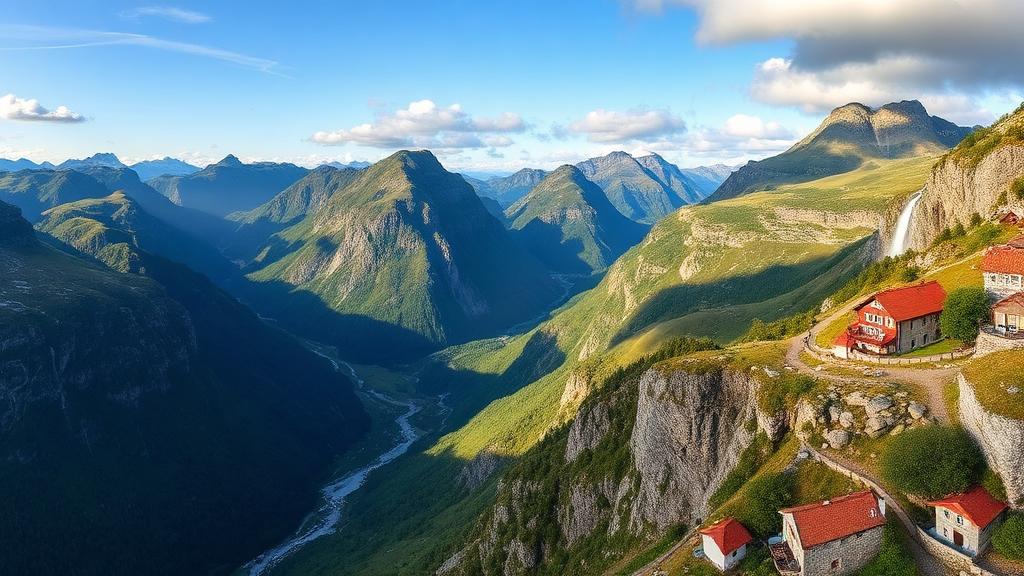
Norway is a hiker's paradise. With dramatic fjords, rugged mountains, glacial valleys, pristine lakes, and coastal island trails, it offers some of the most breathtaking hiking landscapes in the world. Whether you're a seasoned mountaineer or a family looking for a scenic Saturday hike, Norway has something for every level of adventurer.
In this comprehensive guide, we walk through everything you need to know about hiking in Norway — from planning and safety tips to the best trails by region and how to make the most of your outdoor adventure regardless of the season.
Why Norway Is a World-Class Hiking Destination
1. Dramatic Scenery
Norway boasts steep fjords carved by ancient glaciers, towering peaks, cascading waterfalls, and alpine plateaus that provide constantly shifting scenery with every step.
2. A Trail Network for All Levels
From iconic challenges like Trolltunga and Romsdalseggen to easy family trails like Fløyen and Runde Island Cliffs, Norway's trails span every difficulty and pace.
3. Easy Access and Infrastructure
Most popular trails have good transport links and well-maintained paths. Many are connected to public transport — trains, buses, and ferries — making planning easier.
4. Seasonality Brings Variety
In summer, long daylight hours and lush landscapes dominate. In winter, snow transforms trails into ski and snowshoe routes — expanding Norway's adventure season.
Hiking Regions You Need to Know
Western Norway & The Fjords
Hardangerfjord Region
Known for orchards and panoramic fjord views. Classic hikes include:
- Dronningstien – moderate hike above the fjord with rich views.
- Trolltunga – one of Norway's most iconic hikes (long and demanding).
- Bondhusdalen – easy valley walk with glacier views.
Sognefjord & Jotunheimen Area
Deepest and longest fjord in Norway, surrounded by high mountains. Iconic hikes:
- Besseggen Ridge – famous narrow ridge.
- Fannaråki – alpine terrain with mountain hut nearby.
- Vettisfossen – highest free-falling waterfall.
Northern Norway & The Lofoten Archipelago
Lofoten Hiking
Spectacular coastal scenery and dramatic peaks rising from the sea.
- Ryten – overlooks Kvalvika Beach.
- Reinebringen – short but steep with world-class views.
- Offersøykammen – easy stroll with coastal panoramas.
Senja Island
Often called "Norway in miniature."
Central Norway & Dovrefjell
Dovrefjell National Park
Home to musk ox and wide open tundra landscapes.
- Snøhetta – sweeping high mountain views.
- Dovrefjell trails – suitable for summer hiking and wildlife viewing.
Pair a visit with Røros — a historic mining town and UNESCO site.
Southern Norway & Rogaland
Lysefjord Adventures
- Preikestolen – Pulpit Rock with panoramic views.
- Kjeragbolten – boulder wedged between cliffs.
- Pulpit Rock East View – quieter alternative with excellent views.
Other Popular Regions
Telemark
- Gaustatoppen – panoramic summit reachable via trail or funicular.
Sunnmøre (Møre og Romsdal)
Bergen & Surroundings
Each region has its own character — from steep alpine routes to coastal and forest paths.
Seasonal Hiking in Norway
Summer Hiking (June to September)
The prime hiking season:
- Trails are mostly snow-free above 500–800 m.
- Long daylight hours (Midnight Sun in the north).
- Mountain huts open by DNT (Norwegian Trekking Association).
- Best months for multi-day and ridge hikes.
Tips for Summer
- Start early to avoid afternoon clouds.
- Bring layers — even summer storms happen.
- Use public transport where possible — many hikes connect to buses.
Autumn Hiking (September to October)
A quieter shoulder season:
- Fewer crowds.
- Fall colours in valleys and woods.
- Cooler weather boosts comfort on long hikes.
Be aware: Some high passes can get early snow, and daylight hours are shorter.
Winter Trails and Snow Hiking
Many hiking areas convert naturally into snowshoe or ski routes:
- Western mountains often snow-covered by November.
- Coastal hikes may remain snow-free for longer.
- Always check avalanche risk and carry winter gear.
Hiking Safety Tips for Norway
1. Check Weather Before You Go
- Norwegian weather is famously unpredictable.
- Use yr.no for detailed forecasts and midday changes.
2. Wear the Right Footwear
Even "easy" trails can become slippery:
- GORE-TEX boots for wet conditions.
- Good traction for steep terrain.
3. Pack Smart Essentials
- Waterproof jacket and pants
- Warm layers (wool or synthetic)
- Navigation (map + phone)
- Food and water
- First aid kit
4. Know Your Limits
Some Norwegian trails are long and exposed. Ridge hikes like Besseggen, Trolltunga, or Romsdalshorn require stamina and confidence with heights.
Planning Your Norway Hike Trip
Transportation
Most major hikes are accessible by bus or ferry:
- Bergen → Fløyen, Ulriken
- Åndalsnes → Romsdalseggen
- Odda → Trolltunga
- Stavanger → Preikestolen
Consider regional passes for train and bus.
Where to Stay
- Mountain cabins (DNT) for multi-day hikes.
- Guesthouses near trailheads.
- Campsites for scenic overnight stays.
Best Hikes for Beginners
Conclusion
Norway offers an extraordinary range of hiking experiences, from casual coastal paths to high alpine challenges. With careful planning, respect for the weather, and proper gear, anyone can experience the best trails this country has to offer. Whether you're chasing iconic views at Preikestolen or seeking solitude at Utladalen, Norway's diverse landscapes reward every step.
Plan your adventure, explore our region and hike pages for routes and GPS guides, and enjoy every moment on the trail!